We use cookies to optimize your experience, analyze traffic, and personalize ads. Please choose whether you accept our use of non-essential cookies. Read More
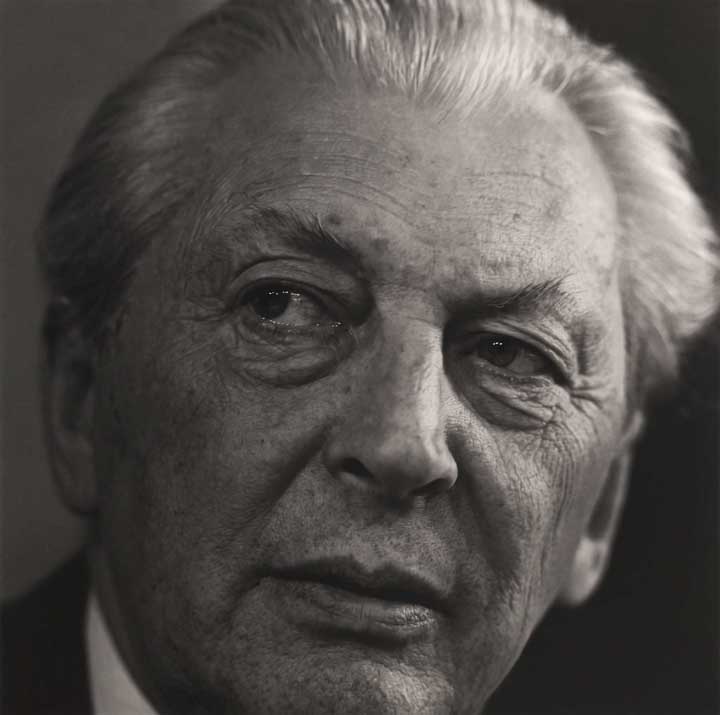
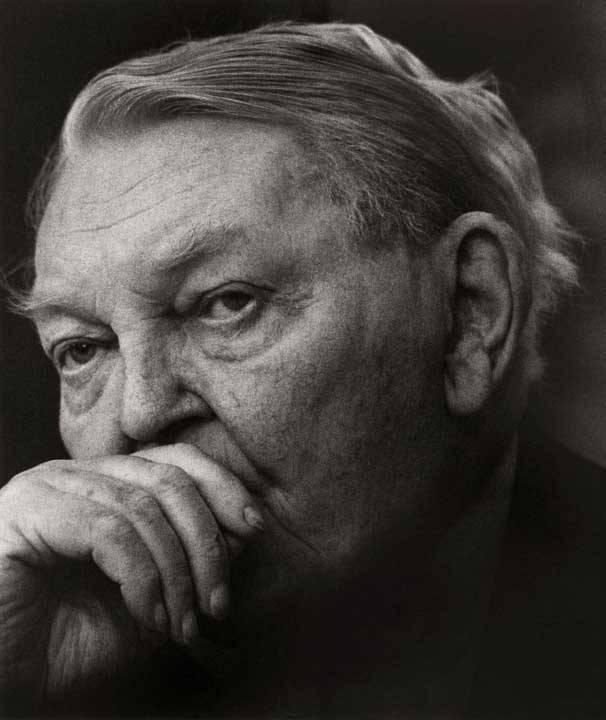
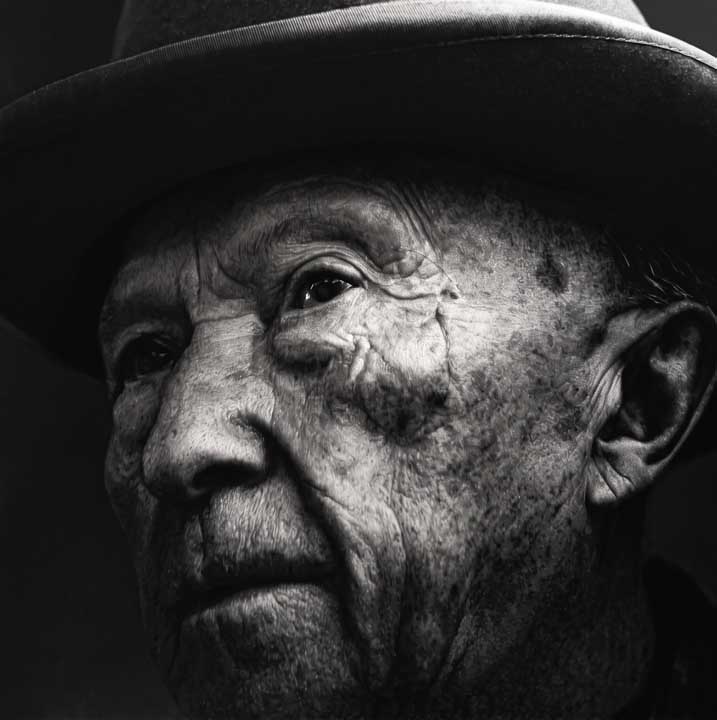
The history of il punto is inextricably linked with Giuseppe “Peppe” Perna. A special form of Italian hospitality began in Bonn. Over the years, il punto became a place where people from the worlds of politics, diplomacy, business, culture and society came together. When the political capital moved, the history of il punto also moved to Berlin. There, Peppe Perna continued what had distinguished the restaurant from the very beginning: fine Italian cuisine, personal relationships and discretion.
Manuela and Uwe Schmitz have had close ties with il punto Berlin for many years. Now, together with Peppe Perna, they are continuing this story on the banks of the Rhine.
Good food brings people to the table. Hospitality brings them together.
The cuisine at il punto embodies everything we love about Italy: superb ingredients, distinct flavours, familiar classics and dishes that aren’t designed to impress, but simply to delight the palate.
Italian culinary art – with respect for tradition and a celebration of the seasons.
At lunchtime: precise and uncomplicated. In the evening: with time and leisure.
Accompanied by a carefully selected wine list and the belief that a good evening often begins with an aperitivo and rarely needs to end with dessert.
La cucina italiana. Semplice e genuina.
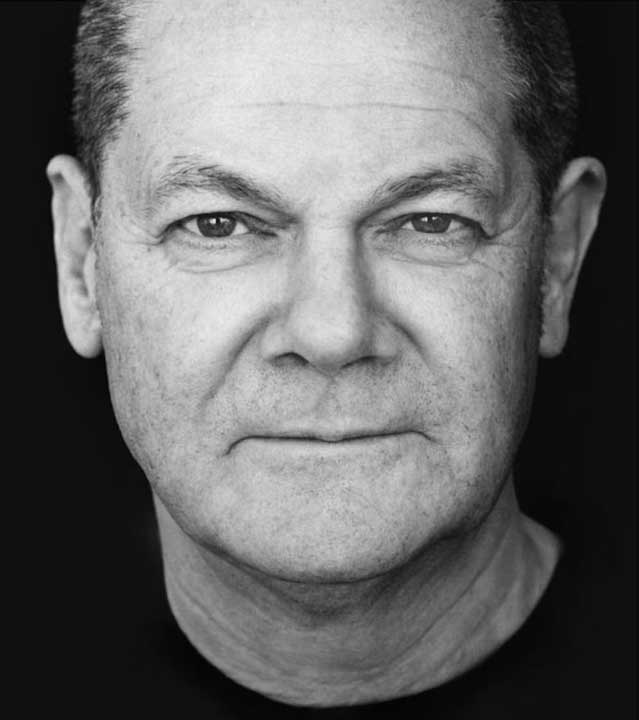
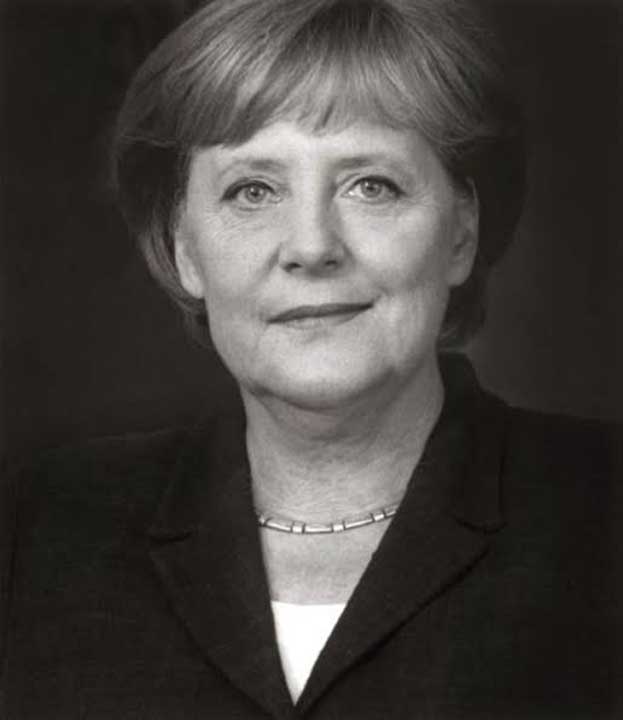
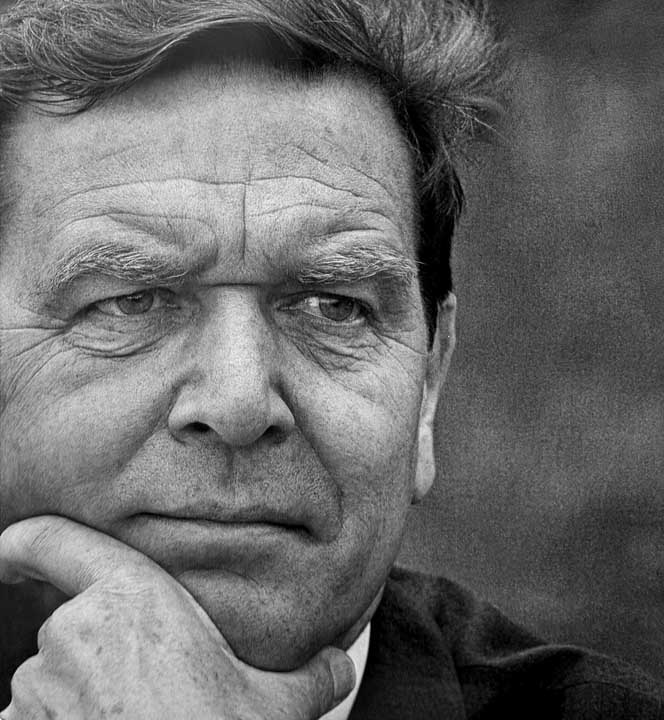
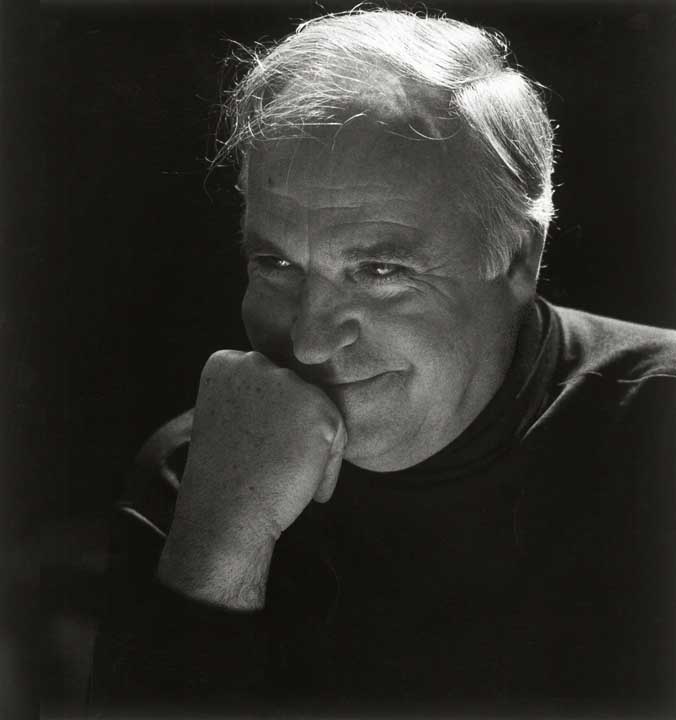
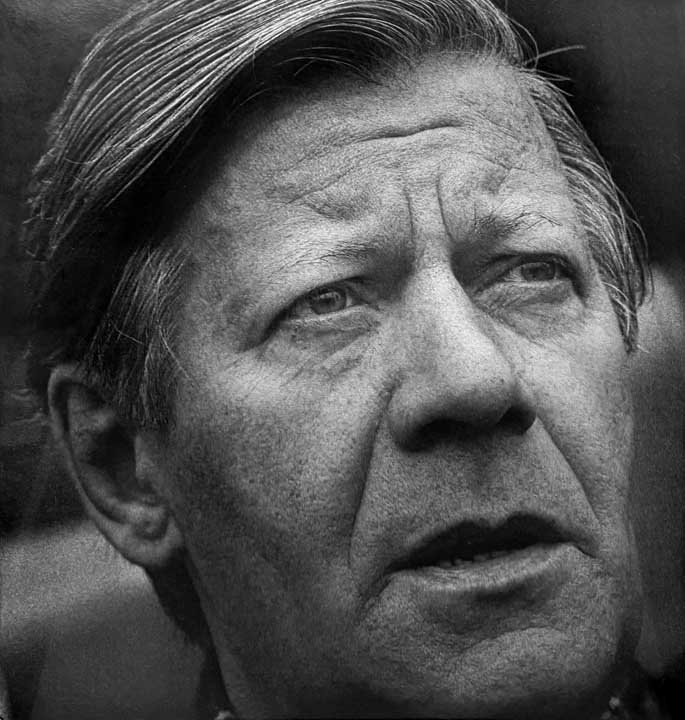
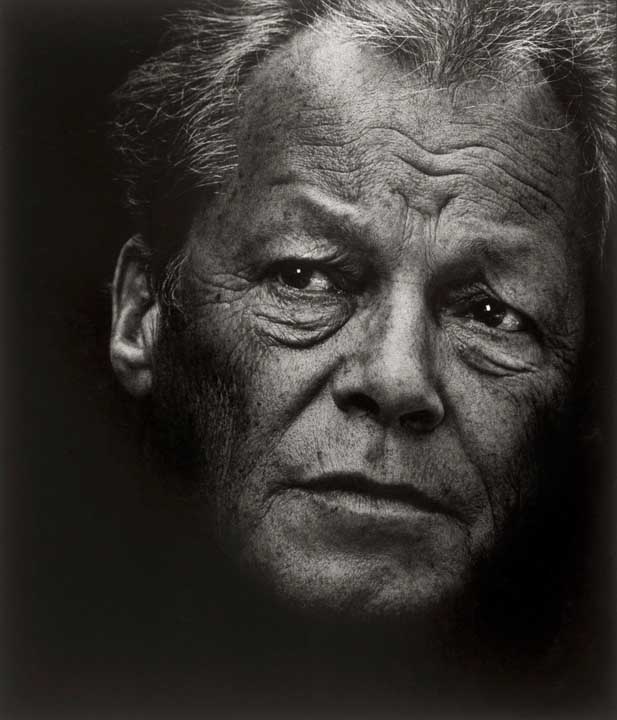
Hanging on the walls of il punto are works one would otherwise expect to find in exhibitions: Willy Brandt, Helmut Schmidt, Angela Merkel – photographed by Konrad Rufus Müller, who was simply known as ‘the Chancellor’s photographer’. The portraits are on permanent display and are not merely decoration: they incidentally transform the dining room into an exhibition space.
Anyone dining here sits amidst these gazes. This changes the atmosphere of an evening. The result is a place that goes beyond a traditional restaurant – a discreet meeting place where guests from the worlds of business and politics, local residents and connoisseurs of fine dining come together.
Mühlenstraße 34
40213 Düsseldorf
+49 211 547 650 605
info@ilpunto-duesseldorf.de
Opening hours:
Mon–Sat 12:00–23:00
Closed on Sundays
(Kitchen closes at 21:45)
We use cookies to optimize your experience, analyze traffic, and personalize ads. Please choose whether you accept our use of non-essential cookies. Read More
Cookie Settings
For Peppe Perna, hospitality means more than just serving good food.
It means welcoming people. Remembering a guest. Knowing their preferences. Knowing when someone is looking for a chat – and when they’d prefer some peace and quiet.
This ethos has been at the heart of il punto since its inception.
From Bonn to Berlin. And now to Düsseldorf.
Personal. Discreet. Connecting.
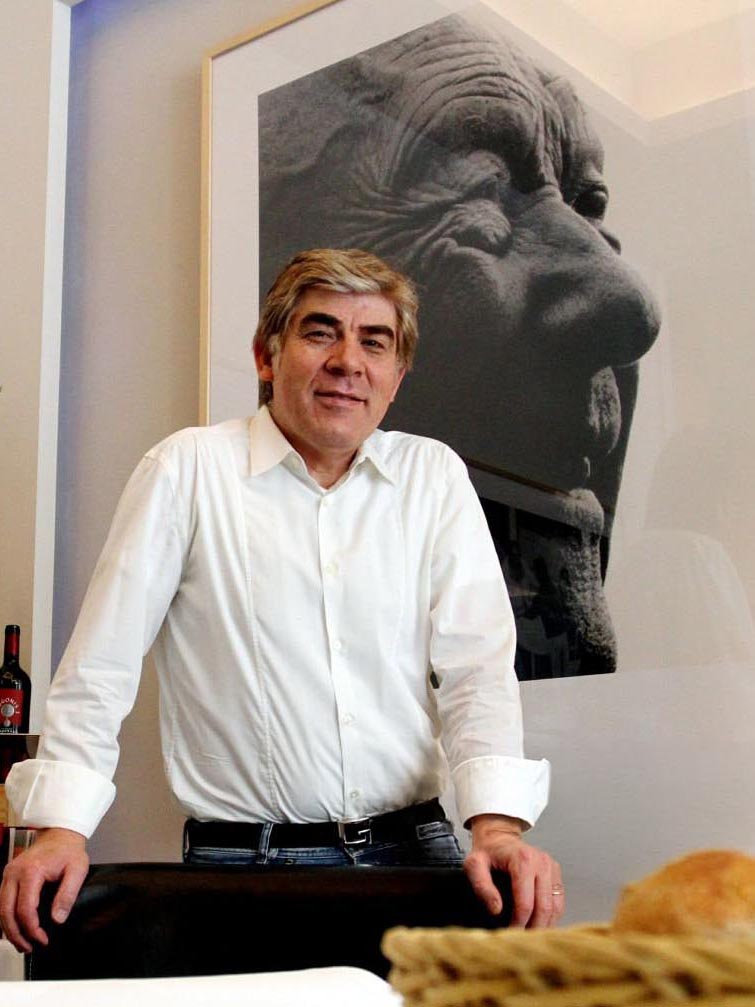
Konrad Rufus Müller is regarded as one of the leading German portrait photographers of the post-war era. For decades, he turned his camera on figures from the worlds of politics, culture and society. He gained particular renown for his portraits of German chancellors – from Konrad Adenauer to Olaf Scholz. Yet his photographs are far more than mere documents of contemporary political history.
Müller’s images do not seek to stage a scene, but rather to capture the person behind the public figure. His unmistakable black-and-white photographs were created through proximity, observation and seizing the right moment. Using an analogue camera, natural light and largely without technical staging, he reduced photography to its essence: the gaze, posture, gestures and personality.
It is precisely in this reduction that the power of his work lies. Faces become landscapes, hands become narratives, casual gestures become precise observations. Müller depicted power without glorifying it, and intimacy without completely erasing the distance from the subject.
Over more than six decades, this gave rise to a body of photographic work that is both personal and a record of contemporary history. His portraits tell of people, but also of the Federal Republic of Germany and the changes it has undergone. They capture not only what these figures looked like – but also something of what they were like.
Konrad Rufus Müller
1940–2023
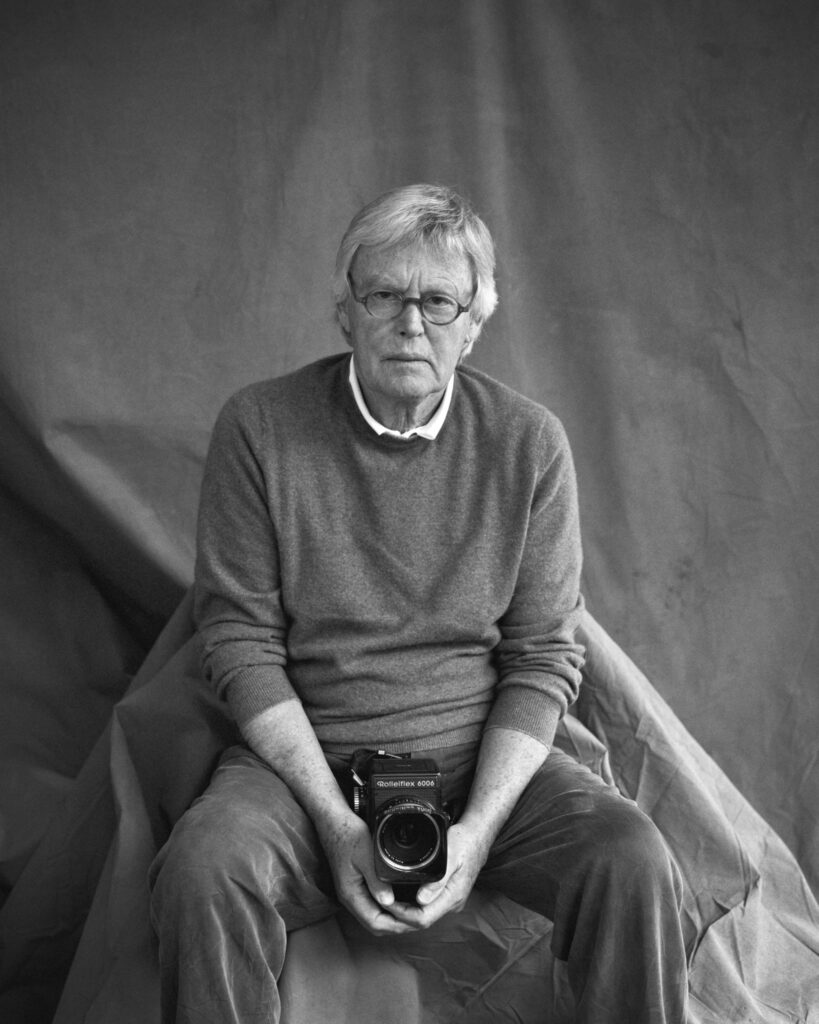
Photo: Nico Baldauf